
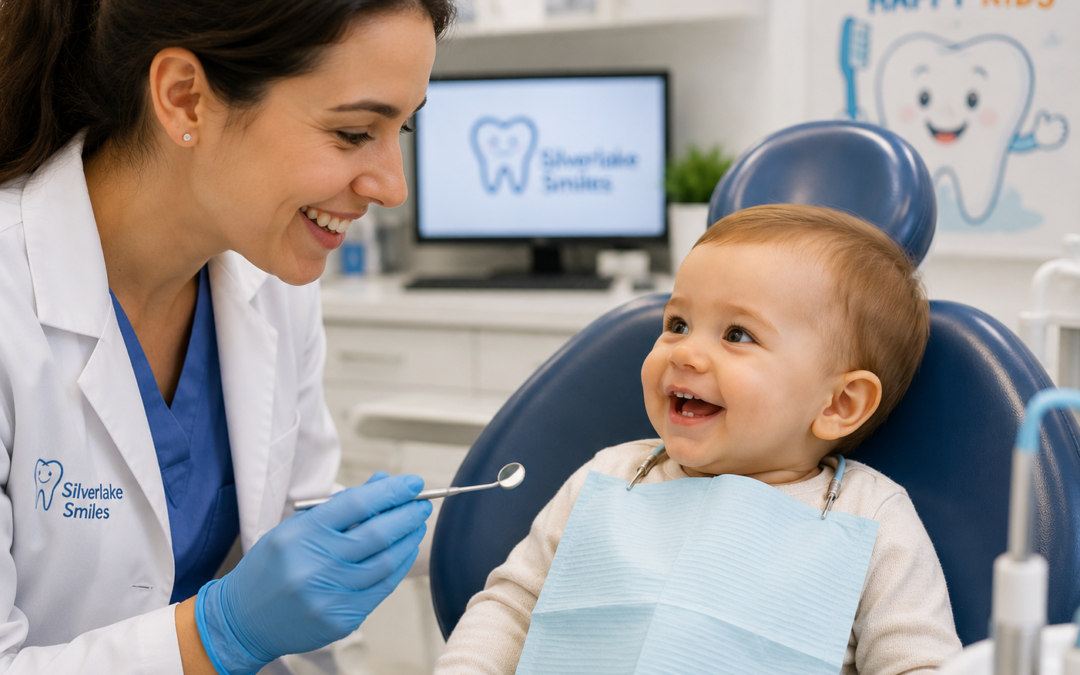
Children don’t always know how to explain what’s happening with their teeth or gums. A child may simply avoid certain foods, become irritable, or resist brushing without being able to tell you that something hurts. Knowing the signs your child needs to see a dentist can help you recognize potential problems before they interfere with your child’s comfort, eating habits, or developing smile.
According to the Centers for Disease Control and Prevention (CDC), more than half of children ages 6 to 8 have had a cavity in at least one of their baby teeth. Cavities are only one of the dental concerns children can experience, which is why paying attention to changes in your child’s mouth and behavior is so important.
Even when your child seems to have healthy teeth, regular dental care can help monitor development and establish good habits early. From persistent tooth pain and unusual spots to teeth grinding and changes in tooth alignment, this guide covers the signs your child needs to see a dentist and when parents should consider scheduling an appointment.
Why Regular Dental Visits Matter for Children
A dental visit in Silver Lake isn’t only necessary when your child has a toothache. Regular preventive care allows a dentist to monitor your child’s developing teeth and identify potential concerns while they’re still easier to manage.
Routine visits can help with:
- Monitoring tooth development: Your dentist can track how baby teeth are developing and how permanent teeth are beginning to emerge.
- Detecting cavities early: Small areas of decay can sometimes be treated before they cause significant pain or damage.
- Checking gums and oral tissues: Dental visits can identify signs of inflammation, infection, or other concerns that may not be obvious at home.
- Building healthy habits: Children can learn age-appropriate brushing, flossing, and other oral hygiene practices.
- Addressing oral habits: Your dentist can monitor habits such as thumb sucking or teeth grinding that may affect developing teeth.
- Reducing dental anxiety: Familiarity with the dental office can help children feel more comfortable with appointments as they grow.
- Giving parents personalized guidance: As your child’s teeth and oral health needs change, your dentist can recommend appropriate care at home.
Regular dental checkups for children are especially valuable because baby teeth play an important role in eating, speaking, and maintaining space for permanent teeth. Early attention to problems can help support your child’s oral health throughout their development.
While routine visits are important, parents should also know what changes may indicate that a child needs to be seen sooner. Recognizing these warning signs can help you take action before a minor concern develops into a more serious dental problem.
10 Signs Your Child Needs to See a Dentist
Some dental problems are easy to spot, while others may show up through changes in your child’s behavior or daily routine. If you’ve noticed any of these signs your child needs to see a dentist, scheduling an evaluation can help determine what’s causing the problem and whether treatment is necessary.
1. Your Child Complains of Persistent Tooth Pain
A toothache that continues or keeps coming back shouldn’t be ignored. Children may describe dental pain as a general ache, sensitivity, or discomfort when eating, especially if they’re not yet able to clearly explain what they’re feeling.
Persistent tooth pain can be associated with:
- Tooth decay.
- A dental infection.
- Damage to the tooth.
- Sensitivity.
- Problems with an erupting tooth.
Even if the pain eventually subsides, it’s worth having the tooth evaluated. Some dental problems can temporarily become less noticeable without actually resolving.
2. You Notice White, Brown, or Dark Spots on Their Teeth
Changes in the appearance of your child’s teeth can be another one of the signs your child needs to see a dentist. White spots may sometimes indicate early enamel changes, while brown or dark areas can be associated with tooth decay.
Parents should pay attention to:
- New white or chalky-looking areas.
- Brown discoloration.
- Dark spots or visible holes.
- Changes in the texture of the tooth.
Not every change in tooth color means your child has a cavity. A dental professional in Silver Lake can examine the area and determine whether it requires treatment or monitoring.
3. Your Child Has Swollen, Red, or Bleeding Gums
Healthy gums generally shouldn’t remain swollen, tender, or bleed regularly. If you notice persistent redness, swelling, or bleeding around your child’s teeth, it may indicate an oral health issue that needs attention.
Possible causes can include:
- Plaque buildup.
- Gum irritation.
- Improper brushing or flossing.
- Infection.
- Other developing dental concerns.
Occasional bleeding can happen when a child is learning to floss, but recurring bleeding should be discussed with a dentist rather than ignored.
4. They Have Difficulty Chewing or Avoid Certain Foods
Pay attention if your child suddenly starts chewing on one side of their mouth, avoids crunchy foods, or refuses foods they previously enjoyed.
Difficulty chewing may indicate:
- Tooth pain.
- Cavities.
- Tooth sensitivity.
- A cracked or damaged tooth.
- Gum discomfort.
- A problem with an erupting tooth.
You may not see anything unusual when looking at your child’s teeth, but changes in eating behavior can sometimes be an important clue that something is wrong.
5. Your Child Has Bad Breath That Doesn’t Go Away
Occasional bad breath is common, particularly after waking up or eating certain foods. However, persistent bad breath despite regular brushing can be worth discussing with a dentist.
Ongoing bad breath may be associated with:
- Inadequate oral hygiene.
- Plaque buildup.
- Cavities.
- Gum problems.
- Food trapped between teeth.
- Other oral health concerns.
Helping your child brush and floss consistently is an important first step. If the problem continues, a dental evaluation can help identify the underlying cause.
Recognizing these early symptoms can help parents address dental concerns before they interfere with their child’s everyday comfort. But these aren’t the only warning signs to watch for. Some problems become apparent after an injury or as your child’s permanent teeth begin to develop.
6. A Tooth Is Chipped, Cracked, or Damaged
Children are active, and falls, sports, accidents, or biting into something hard can sometimes damage a tooth. Even if your child doesn’t seem to be in pain, a chipped or cracked tooth should be evaluated by a dentist.
Dental injuries can potentially affect:
- The outer enamel.
- The deeper layers of the tooth.
- The tooth’s nerve.
- The surrounding gums and tissues.
- The development of a permanent tooth beneath an injured baby tooth.
If a permanent tooth has been knocked out or severely displaced, seek dental care services promptly. For less severe chips or cracks, your dentist can determine whether the tooth needs treatment or simply needs to be monitored.
7. Your Child’s Baby Teeth Are Falling Out Too Early
Baby teeth are temporary, but they serve an important purpose. They help children chew and speak while also maintaining space for their permanent teeth.
If a baby tooth is lost significantly earlier than expected because of decay, infection, or an injury, the surrounding teeth can potentially shift into the open space. This may affect the eruption and positioning of the permanent tooth.
A dentist in Silver Lake can monitor the area and determine whether your child needs additional care to support healthy tooth development.
8. Permanent Teeth Are Coming In Crooked or Crowded
As permanent teeth begin to replace baby teeth, some degree of unevenness can be normal. However, noticeable crowding, overlapping, or teeth erupting in unusual positions may warrant an evaluation.
A dentist can monitor your child’s developing bite and determine whether orthodontic care may eventually be beneficial.
For children and teens who are appropriate candidates, Invisalign treatment can be one option for addressing certain alignment concerns. Your child’s age, tooth development, bite, and specific orthodontic needs will determine whether clear aligners are appropriate.
9. Your Child Grinds or Clenches Their Teeth
You may notice your child grinding or clenching their teeth while sleeping, particularly if you hear a repetitive grinding sound at night. Occasional teeth grinding can occur during childhood, but persistent or severe grinding should be discussed with a dentist.
Ongoing grinding may contribute to:
- Worn tooth surfaces.
- Tooth sensitivity.
- Jaw discomfort.
- Headaches.
- Damage to developing teeth.
A dentist can evaluate your child’s teeth and determine whether the grinding is affecting their oral health and whether any treatment or monitoring is appropriate.
10. Your Child Is Afraid to Eat, Brush, or Visit the Dentist
Dental anxiety itself can sometimes be a reason to seek help. If your child consistently refuses to brush, becomes distressed when eating, or is extremely fearful of dental visits, there may be an underlying experience or oral health concern contributing to that reaction.
A calm and supportive approach can make dental care easier for children. Avoid using frightening language about dentists or procedures, and instead explain that the dentist’s job is to help keep their teeth healthy.
A child-friendly dental clinic in Silver Lake can also help children become more comfortable with professional dental care over time.
If you’ve noticed one or more of these symptoms, you don’t necessarily need to assume that something is seriously wrong. A professional evaluation can provide clarity and help your child receive the appropriate care early.
What to Do If You Notice These Signs
If you’ve noticed one or more of the signs your child needs to see a dentist, the best next step is to schedule an evaluation rather than waiting for the problem to become more noticeable.
Here’s what parents can do:
- Pay attention to changes: Note when the symptom started and whether it’s getting better or worse.
- Watch for behavioral changes: Changes in eating, sleeping, brushing, or mood can provide useful clues.
- Don’t wait for severe pain: Some dental problems can develop before a child experiences significant discomfort.
- Continue daily oral care: Encourage regular brushing and flossing while waiting for the appointment.
- Share your concerns: Tell the dentist about any symptoms, injuries, habits, or changes you’ve noticed.
A dental examination can help determine whether your child’s symptoms require treatment, monitoring, or simply a change in their daily oral care routine.
How Children’s Dentistry Helps Protect Growing Smiles
Children’s oral health changes significantly as baby teeth develop, fall out, and are replaced by permanent teeth. Regular professional care allows your dentist to follow these changes and address concerns at the appropriate stage.
Comprehensive children’s dental care in Silver Lake can help with:
- Monitoring the eruption of baby and permanent teeth.
- Identifying cavities and early signs of tooth decay.
- Evaluating the health of the gums.
- Monitoring bite and tooth alignment.
- Addressing habits such as thumb sucking and teeth grinding.
- Teaching children effective brushing and flossing techniques.
- Giving parents guidance on nutrition and preventive oral care.
Starting dental care early can also help children become familiar with the dental office. Positive experiences during childhood may make it easier for them to maintain regular dental visits as they get older.
When Is a Dental Visit Urgent?
Some symptoms can wait for a routine appointment, while others may require prompt dental attention. Contact your child’s dentist as soon as possible if they experience:
- Severe or sudden tooth pain.
- Swelling of the face, jaw, or gums.
- A significant dental injury.
- A knocked-out permanent tooth.
- Heavy or persistent bleeding.
- Signs of a serious infection.
- Difficulty swallowing or breathing associated with oral swelling.
If you’re unsure how quickly your child needs to be seen, contact your dental office and describe the symptoms. The dental team at Silverlake Smiles can help you determine the appropriate next step.
Keep Your Children’s Teeth Strong at Silverlake Smiles
Your child’s smile is constantly developing, and early dental care can help keep that development on track. At Silverlake Smiles, we provide personalized dental care for children in a comfortable, welcoming environment designed to help young patients feel at ease.
Our team can help monitor your child’s developing smile, identify potential concerns, and provide guidance to help establish healthy habits at home. Whether your child needs a routine checkup or you’re concerned about a specific symptom, we’re here to help.
If you’ve noticed any of the signs your child needs to see a dentist, don’t wait for the issue to worsen.
Schedule your child’s dental appointment with Silverlake Smiles at our Silver Lake or South Pasadena location and take the next step toward protecting your child’s growing smile.
Frequently Asked Questions
1. How do I know if my child needs to see a dentist?
Persistent tooth pain, unusual spots on the teeth, swollen or bleeding gums, difficulty chewing, damaged teeth, and changes in tooth development can all be reasons to schedule a dental evaluation.
2. At what age should children start seeing a dentist?
The American Academy of Pediatric Dentistry recommends that children have their first dental visit by their first birthday or within six months after their first tooth appears. Your dentist can then recommend an appropriate schedule for ongoing care.
3. How often should children go to the dentist?
Many children benefit from dental visits every six months, although the appropriate frequency depends on their individual oral health, risk factors, and dental development.
4. What are the most common dental problems in children?
Cavities are among the most common dental problems in children. Other concerns can include gum problems, dental injuries, tooth alignment issues, and oral habits such as prolonged thumb sucking or teeth grinding.
5. Is a child’s toothache always a sign of a cavity?
No. A toothache can have several possible causes, including sensitivity, an erupting tooth, dental trauma, infection, or decay. A dental examination is necessary to determine the cause.
6. Should I take my child to the dentist if their baby tooth is loose?
Loose baby teeth are usually a normal part of growing up when they become loose at the expected stage of development. However, if a tooth becomes loose unusually early, is causing pain, or becomes loose after an injury, it’s a good idea to have it evaluated.
7. What should I do if my child chips a tooth?
Contact your child’s dentist for guidance, even if the chip appears minor. Save any broken piece if possible and avoid letting your child bite hard foods with the affected tooth until it has been evaluated.
8. Why does my child grind their teeth at night?
Teeth grinding, or bruxism, can have several possible causes. Occasional grinding isn’t necessarily a problem, but persistent grinding should be discussed with your child’s dentist so they can check for signs of tooth wear or other concerns.
9. How can I help my child feel less nervous about going to the dentist?
Use positive, age-appropriate language when talking about dental visits. Avoid threatening language or sharing frightening dental experiences. Reading children’s books about visiting the dentist and maintaining a calm attitude can also help make appointments feel more familiar.
10. What can parents do to prevent cavities in children?
Encourage twice-daily brushing with fluoride toothpaste, help your child floss when appropriate, limit frequent sugary snacks and drinks, encourage water, and maintain regular dental visits. Your dentist can also recommend preventive measures based on your child’s individual needs.