
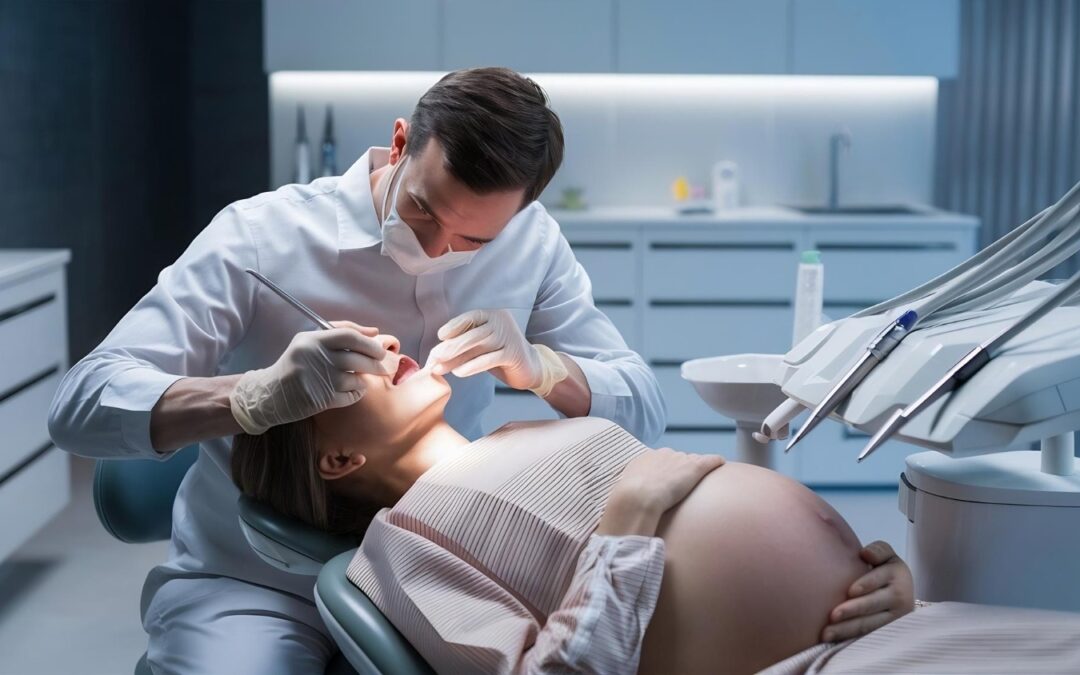
Pregnancy brings many changes to your body, and your oral health is no exception. Hormonal fluctuations can affect your gums, teeth, and overall oral hygiene. Maintaining a healthy smile during pregnancy is not just about preventing cavities — it’s also important for your overall health and your baby’s development.
Dental care during pregnancy requires special attention, and understanding the best practices can prevent problems before they arise.
Why Oral Health Matters During Pregnancy
Hormonal changes during pregnancy increase blood flow to the gums, making them more sensitive and prone to inflammation. Conditions like pregnancy gingivitis are common, causing redness, swelling, and bleeding. Left untreated, gum disease can contribute to more serious health issues, including preterm birth or low birth weight.
Regular dental checkups and proper oral care can help prevent complications. Your dentist can provide guidance on safe treatments, cleanings, and preventive strategies tailored specifically for expectant mothers.
Daily Dental Care Tips for Expecting Mothers
Maintaining good oral hygiene at home is essential. Simple habits can make a big difference:
- Brush twice a day with a soft-bristled toothbrush and fluoride toothpaste.
- Floss daily to remove plaque and prevent gum irritation.
- Rinse with a pregnancy-safe mouthwash to reduce bacteria and strengthen enamel.
- Stay hydrated to prevent dry mouth, which can increase the risk of cavities.
Avoid skipping dental care during pregnancy. If morning sickness makes brushing uncomfortable, rinse with water or a mild fluoride mouthwash afterward to reduce acid exposure.
Nutrition and Oral Health During Pregnancy
A healthy diet benefits both your baby and your teeth. Foods high in calcium, phosphorus, and vitamin D support strong teeth and bones.
Limit sugary snacks and drinks, which can increase the risk of tooth decay. If you experience cravings for sweets, rinse your mouth afterward and wait at least 30 minutes before brushing to protect enamel from acid erosion.
Scheduling Dental Appointments Safely
Most dental procedures are safe during pregnancy, especially during the second trimester. Routine cleanings, exams, and preventive care are encouraged. Dentists may delay elective procedures until after delivery but will provide guidance for urgent treatments.
Always inform your dentist about your pregnancy, due dates, and any medical conditions. This allows them to adjust treatments and ensure both your safety and your baby’s.
Common Dental Concerns During Pregnancy
- Pregnancy Gingivitis: Swollen, tender gums that bleed easily.
- Enamel Erosion: Acid from morning sickness can weaken enamel.
- Tooth Sensitivity: Hormonal changes and enamel wear can make teeth more sensitive.
- Periodontal Disease: Untreated gum inflammation can impact overall health.
Early attention and preventive care reduce the risk of these issues. Professional cleanings, fluoride treatments, and proper at-home hygiene can keep your oral health in check.
Tips for Managing Morning Sickness and Oral Care
Morning sickness can make brushing and flossing difficult. Try these strategies:
- Use a soft-bristled toothbrush and gentle brushing technique.
- Rinse with water or a fluoride mouth rinse after vomiting.
- Avoid brushing immediately after vomiting to protect enamel; wait at least 30 minutes.
- Snack on non-acidic foods to reduce enamel exposure.
These practices help protect your teeth while keeping your gums healthy throughout pregnancy.
Conclusion
Pregnancy doesn’t mean neglecting your oral health — in fact, it’s more important than ever. By maintaining proper daily hygiene, eating a balanced diet, attending safe dental appointments, and addressing common pregnancy-related dental concerns, you can keep your smile healthy for both you and your baby.
If you’re expecting and looking for guidance, schedule a visit with your trusted dental provider. With the right care, you can enjoy a healthy smile throughout your pregnancy and beyond.
Frequently Asked Questions
Is it safe to have dental cleanings while pregnant?
Can dental x-rays be done during pregnancy?
How can I prevent gum disease during pregnancy?
What foods should I avoid for oral health during pregnancy?
Can untreated gum disease affect my baby?