
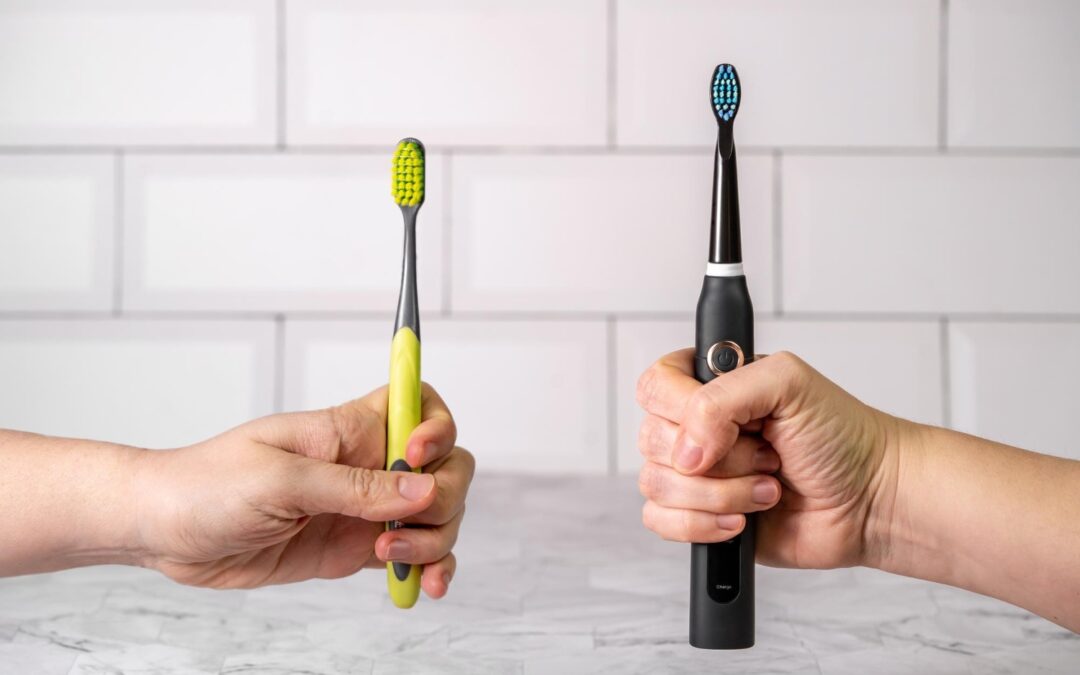
Different Toothbrushes Explained: How to Choose the Right One for Your Smile
Choosing a toothbrush might seem simple, but with so many options available today, it can quickly become overwhelming. From manual brushes to advanced electric models, each type serves a different purpose depending on your oral health needs, habits, and preferences. Understanding the differences can help you clean more effectively and protect your teeth and gums long term. This guide breaks down the most common types of toothbrushes and explains how to choose the best option for your daily routine.
Manual Toothbrushes: Simple and Effective
Manual toothbrushes remain one of the most widely used tools for oral hygiene. They are affordable, easy to find, and effective when used correctly.
Soft vs. Medium vs. Hard Bristles
Most dental professionals recommend soft bristles because they clean plaque without damaging enamel or irritating gums. Medium and hard bristles may feel like they clean more aggressively, but over time they can contribute to gum recession and enamel wear. If you’re unsure which bristle type is best for you, this is often discussed during a routine dental exam and cleaning.
Head Size and Handle Design
A smaller brush head makes it easier to reach tight areas, especially behind molars. Ergonomic handles with a non-slip grip can also improve control, which is particularly helpful for children or individuals with limited dexterity.
Electric Toothbrushes: Advanced Cleaning Power
Electric toothbrushes have grown in popularity due to their ease of use and ability to remove plaque efficiently.
Oscillating vs. Sonic Technology
Oscillating toothbrushes use small, rotating heads to clean each tooth individually, while sonic toothbrushes vibrate at high speeds to move fluid between teeth and along the gumline. Both can be effective, especially for patients who struggle with brushing technique. Many people notice improved gum health after switching to an electric option.
Built-In Timers and Pressure Sensors
One advantage of electric toothbrushes is smart features. Timers ensure you brush for the recommended two minutes, while pressure sensors alert you if you’re brushing too hard. These features support better habits and can complement professional preventive care.
Toothbrushes for Sensitive Teeth and Gums
If you experience sensitivity or gum discomfort, choosing the right toothbrush is especially important.
Ultra-Soft Bristles
Ultra-soft toothbrushes are designed to gently clean without triggering sensitivity. They are often recommended for patients with gum recession, enamel erosion, or after certain dental treatments.
Specialized Designs
Some toothbrushes are designed specifically for gum care, with tapered bristles that reach below the gumline. These can be a helpful addition alongside regular flossing and professional guidance.
Toothbrushes for Kids and Teens
Children need toothbrushes that fit their smaller mouths and encourage consistent brushing habits.
Age-Appropriate Sizes
Kids’ toothbrushes come in smaller sizes with softer bristles to protect developing teeth and gums. Fun colors or characters can make brushing more engaging and help build routines early.
Electric Toothbrushes for Children
Many electric toothbrushes are designed specifically for kids, offering gentle modes and interactive features. These can be especially useful for children who resist brushing or have orthodontic appliances.
Eco-Friendly Toothbrush Options
Sustainability is an increasing priority for many households, and oral care is no exception.
Bamboo Toothbrushes
Bamboo toothbrushes offer a biodegradable handle alternative to plastic. While they function similarly to manual brushes, it’s still important to choose soft bristles and replace them regularly.
Replaceable Head Systems
Some toothbrushes feature reusable handles with replaceable heads, reducing waste while maintaining effective cleaning. These options balance sustainability with performance.
How Often Should You Replace Your Toothbrush?
Regardless of the type you choose, toothbrushes should generally be replaced every three to four months, or sooner if the bristles are frayed. Worn bristles are less effective at removing plaque and can harbor bacteria. This recommendation is often reinforced during preventive visits and oral health evaluations.
How to Choose the Best Toothbrush for You
The best toothbrush is one you’ll use consistently and correctly. Factors like sensitivity, dexterity, age, and personal preference all play a role. Many patients find it helpful to ask their dentist for personalized recommendations during checkups. At Silverlake Smiles, toothbrush selection is often discussed as part of a broader approach to preventive care, helping patients maintain healthy smiles between visits. You can also explore related tips in our guides on proper brushing techniques and daily oral hygiene routines.
Conclusion
At Silverlake Smiles, we believe that small daily habits—like choosing the right toothbrush—play a big role in long-term oral health. Understanding the different types of toothbrushes empowers you to make better choices for your oral health. Whether you prefer a classic manual brush, a feature-rich electric model, or an eco-friendly alternative, the right toothbrush can improve plaque removal and support long-term gum health. Pairing the right tools with consistent habits and regular dental visits is the foundation of a healthy smile. Contact us today to schedule your appointment.
FAQ
Is an electric toothbrush better than a manual toothbrush?
What bristle type is best for most people?
Can kids use electric toothbrushes?
How do I know if my toothbrush needs replacing?
Are eco-friendly toothbrushes effective?