
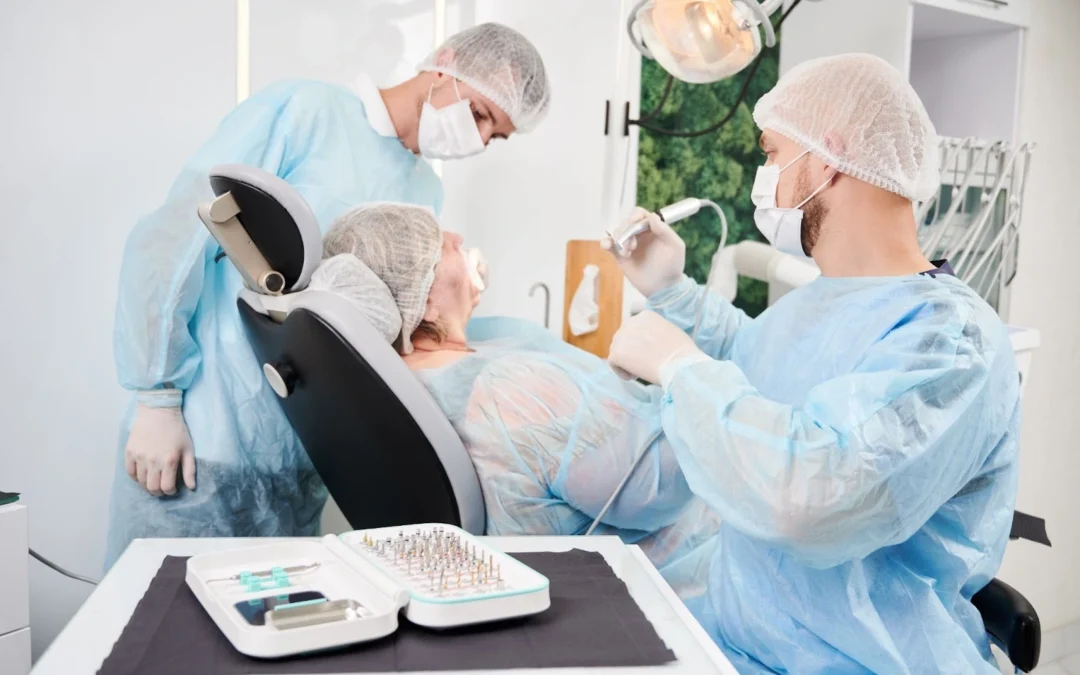
If you’re considering dental implants in Los Angeles, it’s completely normal to be worried about pain. Most patients who come to our office say the same thing: “Is this going to hurt?”
The honest answer: with proper numbing and modern techniques, most people feel pressure and vibration during dental implant surgery, not sharp pain. Mild to moderate soreness afterward is common, but it’s usually very manageable and short‑lived.
Below is a clear breakdown of what to expect before, during, and after dental implant surgery, based on what we see every week in our practice.
Does Getting Dental Implants Hurt?
During the actual implant surgery, you should not feel pain.
Your dentist will numb the area thoroughly with local anesthetic, similar to what you’d receive for a filling or extraction. Once you’re numb, you may feel:
- Pressure
- Vibration from the handpiece
- Some tugging or movement
You should not feel sharp or intense pain. If you do, your dentist can pause and give additional anesthetic.
Many patients in our Silver Lake and South Pasadena offices say afterwards, “That was easier than a tooth extraction.”
What Kind of Anesthesia or Sedation Is Used?
For most single or straightforward dental implants, local anesthetic alone is enough. Depending on your anxiety level and the complexity of your case, your dentist may discuss:
- Local anesthesia – Numbs the area completely; you’re awake and aware.
- Oral sedation (pill) – Helps you relax; you’ll likely feel sleepy and remember little of the procedure.
- Nitrous oxide (“laughing gas”) – Takes the edge off anxiety; wears off quickly.
- IV sedation – Typically used for more complex oral surgery cases or very anxious patients.
At a practice that emphasizes advanced care and patient comfort like Silverlake Smiles, your dentist will review your medical history, explain each option, and help you choose what fits your comfort level and schedule.
Step-by-Step: What Happens During Dental Implant Surgery?
Here’s what most Los Angeles patients experience in a standard implant appointment:
1. Numbing and Preparation
- Topical gel is applied to reduce the pinch of the injection.
- Local anesthetic is administered around the implant site.
- The dentist confirms numbness before beginning (you shouldn’t feel sharp sensations).
2. Creating Space for the Implant
- A small opening is made in the gum tissue.
- The jawbone is gently prepared to receive the implant.
- You may hear or feel vibration, but this shouldn’t be painful.
3. Placing the Implant
- The titanium implant is positioned into the bone.
- The dentist checks stability and angle carefully.
4. Closing the Area
- Sometimes a small healing cap is placed.
- In some cases, the gum is closed over the implant with stitches.
- Stitches may be dissolvable or removed in a follow‑up visit.
For many patients, the whole process for a single implant can take about an hour. Complex cases may take longer, especially if bone grafting is needed.
How Painful Is Recovery After Dental Implants?
Most patients describe the first 24–72 hours after surgery as “sore and swollen” rather than severe pain. It typically feels similar to a tooth extraction or deep dental work.
You can expect:
- Mild to moderate soreness at the implant site
- Swelling in the gums and possibly cheek
- Minor bruising (especially in the lower jaw)
- Sensitivity when chewing on that side
With proper aftercare, this usually improves significantly within a few days.
Typical Pain Timeline (General Guide)
- First 24 hours: Soreness and swelling peak; prescription or over-the-counter pain relievers often recommended.
- Days 2–3: Discomfort usually begins to decrease.
- Days 4–7: Most patients feel much better using only mild pain medication, if any.
- After 1–2 weeks: Most soft tissue healing is well underway; any stitches may be removed if not dissolvable.
Everyone heals a little differently, but if pain worsens instead of improves, you should call your dentist right away.
How Do Dentists Help Manage Discomfort?
A skilled cosmetic dentist will focus on both function and comfort. Pain control typically includes:
- Effective local anesthetic during the procedure
- Detailed written and verbal post-op instructions
- Appropriate pain medication recommendations
- Ice pack instructions for swelling
- Advice on what to eat (and avoid) during healing
Many offices, including Silverlake Smiles, also use advanced dental technology to make implant placement more precise and minimally invasive. Guided implant surgery and 3D imaging can reduce trauma to surrounding tissues, which often means a smoother recovery.
You can learn more about the technology used in our practice on our DENTAL TECHNOLOGY page.
Will I Be Awake During Implant Surgery?
Usually, yes. Most patients have dental implants placed under local anesthesia alone and do very well.
However, if you have high dental anxiety, multiple implants, or more complex oral surgery, your dentist may recommend sedation. This is something you can discuss in advance during your consultation so you feel prepared and supported.
Dental Implants vs Other Treatments: Which Hurts More?
Pain perception is very individual, but here’s how many patients compare dental implants to other procedures:
- Versus tooth extraction: Often reported as similar or slightly easier than an extraction, especially if the extraction was complicated.
- Versus root canal: Many people feel implant placement is comparable or less uncomfortable than a root canal.
- Versus dentures: Getting impressions for dentures is painless, but long-term sore spots and poor fit can be uncomfortable. Implants, once healed, usually feel much more natural and stable.
While implants do involve a surgical step, they’re designed as a long-term solution that, once healed, often feels like having your natural tooth back.
What About Multiple Implants – Does That Mean More Pain?
Not always. If multiple implants are placed in the same appointment:
- You’re already numb and prepared.
- Healing can be combined instead of spread across multiple surgeries.
- Your dentist plans strategically to minimize trauma.
Pain management strategies are adjusted to match the complexity of the case, but many patients are surprised by how manageable the experience is, even with more than one implant.
How to Make Your Dental Implant Experience Easier
You can significantly reduce discomfort and stress by:
- Choosing an experienced provider. Look for a cosmetic dentist in Silver Lake, LA who places implants regularly and offers comprehensive family dentistry LA services so your care is coordinated.
- Following pre-op instructions. Tell your dentist about any medications or health conditions.
- Taking medications as directed. Don’t wait until the pain is severe to start prescribed or recommended pain relievers.
- Using cold compresses. Apply in 15–20 minute intervals, especially in the first 24 hours.
- Eating soft, cool foods. Yogurt, smoothies (no straws), mashed potatoes, scrambled eggs, pasta.
- Avoiding smoking and vaping. These slow healing and increase complications.
Are Dental Implants Worth the Temporary Discomfort?
For most people, yes. The short period of recovery is usually outweighed by the long-term benefits:
- A stable, natural-feeling replacement tooth
- Ability to chew comfortably again
- Improved confidence when smiling and speaking
- Protection of jawbone density in the area of the missing tooth
Many of our patients who came in nervous about pain eventually say they wish they’d done it sooner.
If you’re also thinking about a full smile makeover, implants can be combined with other cosmetic treatments such as porcelain veneers Silver Lake or Invisalign® to transform both health and aesthetics. You can explore these options on our veneers and Invisalign® service pages.
FAQ: Dental Implant Pain & Surgery in Los Angeles
How long does dental implant surgery take?
For a single implant, most procedures in our Silver Lake office take about 45–90 minutes, including numbing, placement, and post-op instructions. Multiple implants or bone grafting may extend that time.
Will I feel pain when the anesthetic wears off?
Can I go back to work after getting a dental implant?
What if I’m very anxious about dental work?
Many of our implant patients start out very anxious. A practice that offers comprehensive oral surgery and dental implants regularly is used to this and can provide:
- Additional time to explain each step
- Sedation options (if appropriate)
- Calming, supportive staff
If dental anxiety has kept you from getting needed care, mention this when you contact the office so the team can plan accordingly.
Are dental implants more painful than Invisalign treatment?
If you’re unsure whether straightening your teeth with Invisalign® or replacing missing teeth with implants should come first, your dentist can help you map out a full treatment plan.
How will I know if something is wrong after surgery?
Call your dentist right away if you notice:
- Increasing pain after several days (instead of steady improvement)
- Significant swelling that gets worse
- Fever or feeling unwell
- A bad taste that doesn’t go away
- The implant or healing cap feels very loose
Prompt follow-up is part of good family dentistry LA care and helps protect your long-term result.
Can I get dental implants if I already have veneers or other cosmetic work?
Considering Dental Implants? Take the Next Step
If fear of pain has kept you from replacing a missing tooth, a conversation with a trusted cosmetic dentist in Silver Lake, LA can make a big difference. With modern techniques, careful planning, and a focus on comfort, most patients are pleasantly surprised by how manageable dental implant surgery truly is.
To find out if dental implants are right for you, schedule a consultation with Silverlake Smiles. You can explore our Dental Implants page, read patient experiences on our testimonials page, or simply reach out through our Contact Silverlake Smiles page to book an appointment at our Silver Lake or South Pasadena location.
A more confident, comfortable smile is closer than you think—call or request a visit today.