
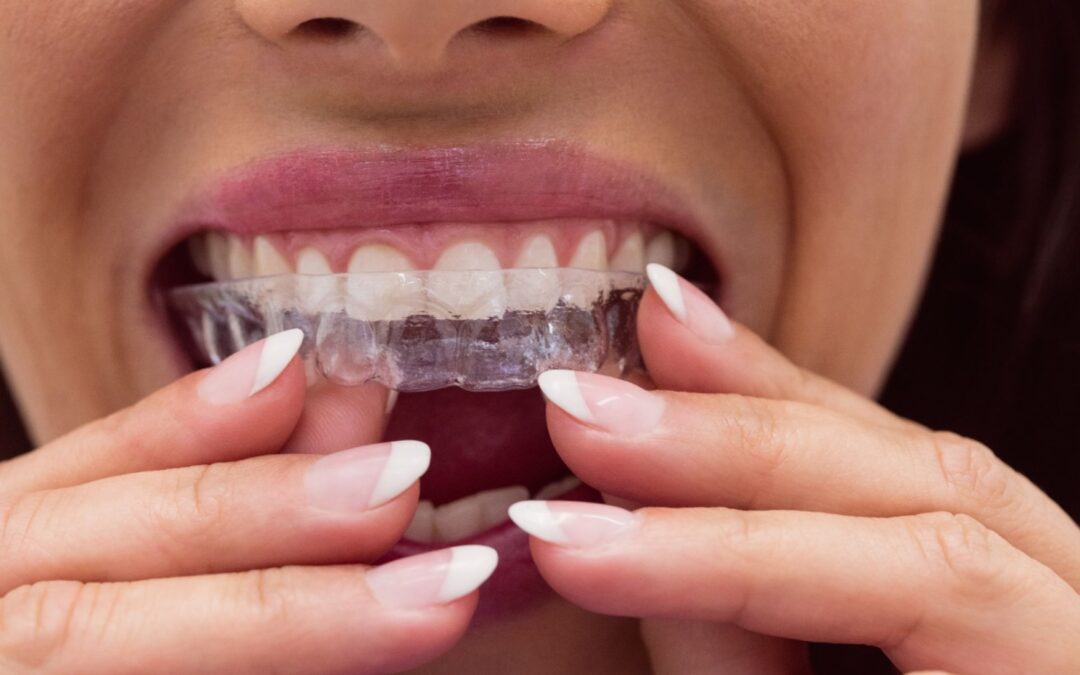
Thinking about straightening your teeth with clear aligners? Invisalign is one of the most popular cosmetic treatments our patients ask about in Silver Lake and the greater LA area. It can be an excellent option, but there are a few things your dentist really wants you to know before you start.
Whether you’ve been searching for a cosmetic dentist in Silver Lake, LA, or an Invisalign® provider near you, this guide will help you go in with clear expectations, realistic timelines, and better results.
Not Everyone is a Perfect Candidate for Invisalign
Invisalign works very well for many people, but it isn’t ideal for every case.
In general, Invisalign can treat:
- Mild to moderate crowding
- Small to moderate gaps
- Mild overbite, underbite, or crossbite
- Relapse after previous braces
However, more complex issues may still need traditional braces or a combination of treatments, especially if you have:
- Severe bite problems
- Very rotated teeth
- Significant jaw alignment issues
- Multiple missing teeth that haven’t been restored yet
An experienced Invisalign dentist in Silver Lake will evaluate:
- Your bite and jaw function
- Tooth position and crowding
- Your gum and bone health
- Any existing dentistry, like crowns, bridges, or dental implants
If Invisalign isn’t your best option, a practice that offers comprehensive dental services in Silver Lake, LA & South Pasadena can walk you through alternatives, such as porcelain veneers, dental implants, or a combination approach.
You Must Wear Your Aligners 20–22 Hours a Day
This is the one rule that makes or breaks your Invisalign results.
For Invisalign to work properly, you need to:
- Wear aligners all day and night
- Only take them out to eat, drink anything besides water, brush, and floss
- Put them back in immediately after
If you’re only wearing them “most of the day” or forgetting them on your nightstand, your teeth won’t track like they’re supposed to. That usually means:
- Longer treatment time
- Extra refinement trays
- Potentially less predictable results
Realistically, Invisalign is a good fit if you’re willing to commit to consistent wear. Think of it like a gym membership for your teeth: it only works if you use it.
Attachments Are Small, But They Matter a Lot
Many people are surprised to learn that Invisalign often uses small tooth-colored “attachments” (also called buttons) placed on certain teeth.
These tiny shapes:
- Help the aligners grip your teeth
- Allow more complex movements (like rotations and root movements)
- Make treatment more precise and efficient
What you should know:
- They’re bonded to your teeth and removed at the end of treatment
- They’re tooth-colored, but you may notice them up close
- They can feel a little weird at first, but most people forget they’re there after a few days
When you come in for your Invisalign® consultation, your dentist can show you a sample case with attachments so you know exactly what to expect.
Your Oral Hygiene Has to be On Point
Invisalign can actually make it easier to keep teeth clean than braces, but only if you’re disciplined.
Because the aligners cover your teeth most of the day, any food or plaque left behind is trapped against the enamel. That can raise your risk for:
- Cavities
- Staining
- Bad breath
- Gum inflammation
During treatment, plan to:
- Brush after every meal or snack before putting the aligners back in
- Floss daily (yes, daily really matters here)
- Clean your aligners as directed (usually with a soft brush and mild soap or approved cleanser)
- Keep up with regular dental exams and cleanings so your dentist can monitor your gums and enamel
If you already struggle with gum disease or decay, a dentist who offers family dentistry LA services can help stabilize your oral health first, then start Invisalign safely.
You May Have Some Temporary Discomfort
Invisalign is usually more comfortable than metal braces, but “pressure-free” is not realistic. A few things to know:
- Each new set of trays can cause mild soreness or pressure for a day or two
- You might feel tightness around specific teeth that are moving more
- Edges of aligners can occasionally rub your cheeks or tongue until they’re smoothed or you adjust
Most patients describe it as:
“A tight pressure that reminds me something is happening—but it’s manageable.”
Tips that help:
- Switch to a new tray at night so you sleep through the initial tightness
- Use over-the-counter pain relievers if approved by your dentist
- Ask your dentist to smooth any rough edges if needed
If you have a history of clenching or grinding, your provider may also discuss bruxism and whether you’ll need added protection during or after Invisalign.
You’ll Need to Plan Around Eating and Drinking
One of the biggest lifestyle shifts with Invisalign is how you handle meals and drinks.
Basic rules:
- Remove aligners for all meals and snacks
- Remove them for anything besides plain water
- Brush or at least rinse before putting them back in
Why this matters:
- Hot drinks like coffee or tea can warp the plastic
- Colored drinks (coffee, red wine, matcha, juices) can stain the aligners and attachments
- Eating with trays in can crack or distort them and trap food
If you sip coffee all morning or graze throughout the day, you’ll need to adjust. Many patients do well by:
- Limiting themselves to a few “eating windows” each day
- Finishing coffee with breakfast rather than sipping for hours
- Carrying a travel toothbrush and case everywhere they go
Your dentist can walk you through what a typical day looks like so you’re not caught off guard on day one.
Retainers Are Forever (or close to it)
Once your teeth are straight, they don’t automatically stay there. Teeth naturally want to drift back toward their old positions, especially in the first year.
That’s why retainers are non-negotiable.
Expect to:
- Wear retainers full-time at first, then transition to nights only
- Replace retainers periodically as they wear out or get lost
- Consider long-term night-time wear as part of your routine (just like washing your face or setting your alarm)
If you’re someone who had braces as a teen and stopped wearing retainers, you already know what happens. Your dentist will customize a retention plan, so your Invisalign results hold up long-term.
Invisalign Can Be Combined With Other Cosmetic Treatments
Invisalign is powerful, but sometimes orthodontic correction is just one part of a larger smile makeover.
A comprehensive cosmetic dentist in Silver Lake, LA, may suggest combining Invisalign with:
- Dental Veneers – After straightening, veneers can refine shape, color, and size for a more dramatic result
- Teeth whitening – Often done near the end of treatment, so your new smile is also brighter
- Dental Implants – If you’re missing teeth, Dental Implants may be used after or alongside Invisalign to restore your bite
- Gum contouring via laser dentistry if your smile looks “gummy.”
Example:
A patient in Silver Lake with crowding, worn edges, and a missing back tooth may do:
- Invisalign to align and open the proper space
- Whitening to brighten the overall shade
- A dental implant to restore the missing tooth
- Several porcelain veneers to correct the shape and length of the front teeth
The right plan depends on your goals, budget, and timeline. Practices like Silverlake Smiles that offer a full range of dental services in Silver Lake, LA & South Pasadena can outline all your options.
Choosing the Right Invisalign Provider Is Important
Invisalign is a system, but results still depend heavily on the dentist planning your case.
When you look for an Invisalign dentist in Silver Lake, pay attention to:
- Experience: How many Invisalign cases have they completed?
- Case type: Do they handle simple and complex cases, or only mild cosmetic ones?
- Technology: Do they use digital scanners and modern dental technology to plan and track your treatment?
- Comprehensive care: Can they handle other needs (fillings, cleanings, oral surgery, children’s dentistry) under one roof?
- Reviews: Look at their patient reviews to see how others describe their experience
A thorough consultation should never feel rushed. You should walk away with:
- A clear idea of your treatment time
- What are your main challenges
- Whether you’ll need attachments, IPR (slight polishing between teeth), or additional procedures
- Full costs and payment options
If you’re local, the team at Silverlake Smiles offers Invisalign® in both Silver Lake and South Pasadena and can show you before-and-after cases similar to yours.
Your First Step is a Professional Evaluation
Direct-to-consumer aligner companies make it look easy: take your own impressions, mail them in, and wait for trays. What those ads don’t show you is what happens when:
- You have underlying gum disease
- There’s hidden decay between teeth
- Your bite gets worse as teeth move incorrectly
- You need mid-course corrections, and no one is there to see you in person
A proper Invisalign evaluation includes:
- A detailed exam of teeth and gums
- Digital scans and photos
- X‑rays to evaluate roots and bone
- A discussion of your full dental history and goals
If you’re interested in Invisalign in Silver Lake or South Pasadena, you can schedule a consultation directly through the Invisalign® page or connect with the team.
FAQs About Starting Invisalign in Los Angeles
How long does Invisalign usually take?
Most adult Invisalign cases in Los Angeles finish in about 6–18 months, depending on:
- How complex your crowding or spacing is
- Whether bite changes are needed
- How consistently you wear your trays
Your dentist will give you an estimated timeframe at your initial visit, but your cooperation has a big impact on staying on schedule.
Is Invisalign more expensive than braces?
Costs are often comparable to traditional braces, especially for mild and moderate cases. Factors that affect cost include:
- Case complexity
- Length of treatment
- Whether other treatments (like dental exams, fillings, or whitening) are needed beforehand
Many cosmetic dentists in Silver Lake, LA, offer payment plans or financing. During your consult, you’ll receive a breakdown of fees and options so there are no surprises.
Will Invisalign affect my speech?
Most people notice a slight lisp or difference in speech for the first few days to a week. Your tongue simply needs time to adjust to the trays. The more you talk (read aloud, make phone calls), the faster you adapt. Long-term speech issues are rare when trays fit properly.
Can I do Invisalign if I have crowns or veneers?
Often, yes. Many patients with crowns or existing veneers can still be treated with Invisalign. Your dentist will:
- Check how well the aligners grip restored teeth
- Decide whether attachments are needed on natural teeth instead
- Plan movements carefully to protect your existing work
If you’re planning both Invisalign and dental veneers in Silver Lake, your dentist will usually straighten teeth first, then place veneers for the final shape and color.
What if I lose or break an aligner?
Call your dentist as soon as it happens. Depending on where you are in the schedule, they may recommend:
- Moving ahead to the next tray a bit early
- Going back to the previous set temporarily
- Ordering a replacement tray
Holding off for “a few weeks” without trays can set your progress back. Keeping your last set of aligners as a backup is often recommended.
Do I need all my cavities and other work done before Invisalign?
Ideally, yes. Your dentist will want:
- All active decay treated
- Gum disease under control
- Any urgent oral surgery (like extractions) completed first
Some minor work can be done during treatment, but the healthier your mouth is before starting, the smoother Invisalign will go. That’s why the process often starts with comprehensive dental exams and cleaning.
Is Invisalign safe for teens?
Yes, when managed by a qualified dentist or orthodontist. Invisalign has a specific line for teenagers, and it can be a great option if:
- Your teen is responsible about wearing trays
- All or most of their permanent teeth are in
- They’re willing to follow hygiene instructions
For families, practices that offer Children’s Dentistry and family dentistry in LA can monitor growth and decide the right timing.
Can Invisalign fix my bite or just straighten the front teeth?
Invisalign can do much more than line up the front teeth. With proper planning, it can:
- Correct minor to moderate overbites or underbites
- Address some crossbites and open bites
- Improve how upper and lower teeth meet
Serious skeletal bite problems may still require braces or jaw surgery. Your provider will be honest with you about what Invisalign can and cannot do in your specific case.
Explore Your Invisalign Options in Silver Lake
Straightening your teeth is only one part of building a healthy, confident smile. Silverlake Smiles offers Invisalign treatment alongside comprehensive cosmetic and family dentistry, including veneers, dental implants, laser dentistry, bruxism treatment, and preventive care in both Silver Lake and South Pasadena.
Patients choose Silverlake Smiles Invisalign Services because the process includes:
- Digital iTero scanning and personalized treatment planning
- Invisalign treatment for teens and adults
- Cosmetic and restorative treatment options under one roof
- Ongoing dental exams and hygiene support during treatment
- Offices conveniently located in Silver Lake and South Pasadena
If you’re ready to find out whether Invisalign is the right fit for your smile goals, schedule a consultation with the Silverlake Smiles team today.