
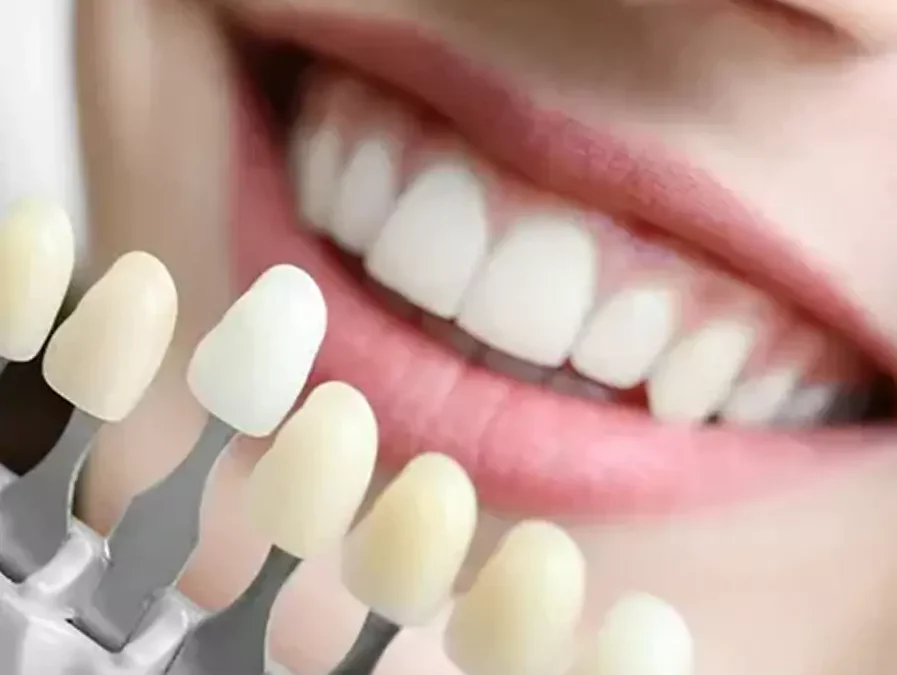
Your smile is often one of the first things people notice about you. Research has shown that an attractive smile has the greatest impact on a positive first impression, which is why many people choose cosmetic dental treatments to improve their confidence and appearance.
If you’re considering a smile makeover, you’ve likely come across the comparison of porcelain veneers vs composite veneers. Both treatments can address concerns such as discoloration, chips, gaps, and unevenly shaped teeth, but they differ in materials, durability, treatment time, and long-term maintenance.
This guide compares porcelain veneers vs composite veneers, explains the advantages and considerations of each option, and highlights the factors to discuss with your dentist before choosing the treatment that’s right for your smile.
What Are Dental Veneers?
Dental veneers are thin, custom-made coverings bonded to the front surface of teeth to improve their appearance. They are a popular cosmetic dentistry solution for patients looking to enhance the shape, size, color, or overall symmetry of their smiles.
Depending on your needs, veneers may improve the appearance of:
- Teeth that are deeply stained or discolored.
- Chipped or cracked teeth.
- Small gaps between teeth.
- Slightly uneven or misshapen teeth.
- Worn tooth surfaces.
- Minor cosmetic alignment concerns.
Although veneers can dramatically improve a smile, they are primarily a cosmetic treatment. Before recommending veneers, your dentist will evaluate your oral health to ensure your teeth and gums are healthy enough to support long-lasting results.
Porcelain Veneers vs Composite Veneers at a Glance
Before exploring each option in detail, here’s a side-by-side comparison of porcelain veneers vs composite veneers.
| Feature | Porcelain Veneers | Composite Veneers |
| Material | Thin custom-made porcelain shells | Tooth-colored composite resin |
| Appearance | Highly natural with excellent translucency | Natural-looking but less translucent than porcelain |
| Durability | Highly durable and resistant to everyday wear | Durable but generally more susceptible to chipping and wear |
| Longevity | Typically lasts longer with proper care | Usually has a shorter lifespan and may require touch-ups |
| Treatment Time | Usually completed over two or more visits | Often completed in a single appointment |
| Stain Resistance | Excellent resistance to staining | More likely to stain over time |
| Tooth Preparation | Usually requires removing a small amount of enamel | Often requires minimal enamel removal |
| Repairs | Damaged veneers are typically replaced | Minor chips or damage can often be repaired |
| Cost | Higher upfront investment | Lower initial cost |
Both options can create attractive, confident smiles, but the right choice depends on your priorities. Some patients value the long-term durability and aesthetics of porcelain, while others prefer the affordability and convenience of composite resin.
What Are Porcelain Veneers?
Porcelain veneers are thin, custom-made shells crafted from high-quality dental porcelain and bonded to the front surface of your teeth. Each veneer is designed to match the shape, size, and color of your natural teeth, creating a seamless and natural-looking smile.
The process typically involves preparing the teeth, taking digital or physical impressions, and fabricating the veneers in a dental laboratory before they are permanently placed. Because every veneer is custom-made, the final result is tailored to complement your facial features and smile goals.
Advantages of Porcelain Veneers
When comparing porcelain veneers vs composite veneers, porcelain is often chosen by patients seeking long-lasting cosmetic improvements. Some of the biggest benefits include:
- Natural-looking aesthetics: Porcelain reflects light similarly to natural tooth enamel, creating a lifelike appearance.
- Excellent stain resistance: Coffee, tea, red wine, and other staining foods are less likely to discolor porcelain veneers.
- Long-lasting results: With proper care, porcelain veneers can last for many years.
- Strong and durable material: Porcelain is highly resistant to everyday wear and minor chips.
- Customized smile design: Each veneer is individually crafted to achieve a balanced, harmonious smile.
Patients looking for a comprehensive smile transformation often choose porcelain because of its combination of durability and aesthetics.
Considerations Before Choosing Porcelain Veneers
Although porcelain veneers offer many advantages, they may not be the right choice for every patient. Some factors to consider include:
- They generally require a higher upfront investment than composite veneers.
- Treatment usually takes two or more appointments.
- A small amount of enamel is often removed to ensure a proper fit.
- Because enamel removal is typically irreversible, veneers are considered a long-term treatment.
A consultation with your dentist can help determine if porcelain veneers align with your oral health needs and cosmetic goals.
What Are Composite Veneers?
Composite veneers are created using a tooth-colored composite resin that is carefully applied, shaped, and polished directly onto the surface of the teeth. Unlike porcelain veneers, which are fabricated in a dental laboratory, composite veneers are often completed during a single office visit.
They are commonly used to improve minor cosmetic imperfections while preserving more of the natural tooth structure.
Advantages of Composite Veneers
For some patients, composite veneers offer a practical and effective cosmetic solution. Benefits include:
- Lower upfront cost: Composite veneers are generally more affordable than porcelain veneers.
- Faster treatment: Many cases can be completed in just one appointment.
- Conservative tooth preparation: Less enamel may need to be removed, depending on the case.
- Easy repairs: Small chips or damage can often be repaired without replacing the entire veneer.
- Immediate smile improvements: Patients can often leave the office with an enhanced smile the same day.
These advantages make composite veneers an appealing option for patients seeking cosmetic improvements with less extensive treatment.
Considerations Before Choosing Composite Veneers
Like any cosmetic treatment, composite veneers have certain limitations that should be considered before making a decision. Some considerations include:
- They are generally more prone to staining over time.
- Composite resin is less resistant to wear than porcelain.
- They may require polishing, maintenance, or repairs more frequently.
- Their lifespan is typically shorter than that of porcelain veneers.
When evaluating porcelain veneers vs composite veneers, it’s important to balance the initial investment with your long-term expectations. While composite veneers may offer a quicker and more affordable solution, porcelain veneers often provide greater durability and stain resistance over time.
Porcelain Veneers vs Composite Veneers: Key Differences
When comparing porcelain veneers vs composite veneers, it’s helpful to look beyond appearance alone. Factors such as durability, maintenance, treatment time, and long-term value all play a role in determining which option best suits your smile goals.
Appearance
Both porcelain and composite veneers can enhance the appearance of your teeth, but they differ in how closely they mimic natural enamel.
Porcelain veneers are known for their translucent qualities, allowing them to reflect light much like natural teeth. This often results in a more lifelike appearance, especially when multiple veneers are placed.
Composite veneers also provide attractive results, but the resin material generally lacks the same depth and translucency as porcelain. They are often an excellent option for correcting smaller cosmetic imperfections.
Durability
Durability is one of the biggest differences in the porcelain veneers vs composite veneers comparison.
Porcelain is a strong ceramic material that resists everyday wear and maintains its appearance over time. Composite resin is durable enough for many cosmetic applications, but is generally more susceptible to chipping or surface wear.
Maintaining either option requires good oral hygiene and avoiding habits such as biting fingernails or chewing hard objects.
Longevity
With proper care and regular dental visits, porcelain veneers generally last longer than composite veneers.
Several factors influence the lifespan of veneers, including:
- Daily oral hygiene.
- Diet and lifestyle habits.
- Teeth grinding or clenching.
- Routine dental exams.
- Overall oral health.
While composite veneers may require repairs or replacement sooner, porcelain veneers are often chosen by patients looking for a longer-term cosmetic solution.
Maintenance
Both veneer types require consistent care to maintain their appearance and function.
Helpful maintenance habits include:
- Brushing twice a day with a non-abrasive toothpaste.
- Flossing daily.
- Limiting foods and beverages that can stain teeth.
- Wearing a nightguard if you grind your teeth.
- Visiting your dentist regularly for professional cleanings and examinations.
Although porcelain resists staining better than composite resin, both materials benefit from good oral hygiene and preventive care.
Treatment Time
Treatment timelines can vary depending on the type of veneer you choose. Composite veneers are often completed during a single appointment because the resin is sculpted directly onto the teeth.
Porcelain veneers usually require at least two visits. During the first appointment, your dentist prepares the teeth and takes impressions or digital scans. The veneers are then fabricated before being bonded to the teeth during a follow-up visit.
Patients looking for immediate cosmetic improvements may appreciate the shorter treatment time associated with composite veneers.
Cost
Cost is another important consideration when evaluating porcelain veneers vs composite veneers. Composite veneers generally have a lower upfront cost because they require fewer materials and can often be completed in one visit.
Porcelain veneers typically involve a higher initial investment due to the custom fabrication process and premium ceramic materials. However, their durability and longevity may provide greater long-term value for many patients.
Since every smile is different, your dentist can explain the treatment options available and discuss which solution aligns with your goals and budget.
Tooth Preparation
Preparing the teeth is an important part of veneer treatment. For porcelain veneers, your dentist usually removes a thin layer of enamel to ensure a natural fit and appearance.
Composite veneers often require little to no enamel removal, depending on the cosmetic changes being made. This more conservative approach may be appealing for patients seeking minor smile enhancements.
Which Option Is Best for Your Smile Goals?
The answer depends on what you hope to achieve.
Porcelain veneers may be a good option if you:
- Want long-lasting cosmetic results.
- Have moderate to severe tooth discoloration.
- Prioritize stain resistance.
- Are planning a comprehensive smile makeover.
- Prefer the most natural-looking appearance possible.
Composite veneers may be a good option if you:
- Want to improve small cosmetic imperfections.
- Prefer a lower upfront investment.
- Need treatment completed quickly.
- Would like a more conservative approach to tooth preparation.
- May require future adjustments or repairs.
If your primary concern is crooked or misaligned teeth rather than tooth shape or color, veneers may not always be the most appropriate treatment. In some cases, orthodontic treatment can improve alignment before cosmetic enhancements are considered.
How to Choose the Right Veneers
Choosing between porcelain and composite veneers depends on more than appearance alone. Your dentist in Silver Lake will evaluate your oral health, discuss your smile goals, and recommend the treatment that best aligns with your needs.
Some of the factors to consider include:
- Your cosmetic goals: Are you looking for a complete smile transformation or a minor enhancement?
- The condition of your teeth: Healthy teeth and gums provide the best foundation for veneers.
- Your lifestyle: Habits such as teeth grinding or frequent consumption of staining foods and beverages may influence your treatment choice.
- Your budget: While composite veneers generally have a lower upfront cost, porcelain veneers may offer greater long-term value due to their durability.
- Your long-term expectations: Think about how long you want your results to last and the level of maintenance you’re comfortable with.
The best way to determine which option is right for you is through a comprehensive consultation. Your dentist can evaluate your smile, explain the advantages of each treatment, and recommend an approach that supports both your oral health and aesthetic goals.
Achieve a Natural-Looking Smile at Silverlake Smiles
A beautiful smile starts with personalized care. At Silverlake Smiles, every veneer treatment is planned around your unique facial features, dental health, and cosmetic goals to create results that look natural and complement your smile.
Patients choose Silverlake Smiles because we offer:
- Personalized smile consultations.
- Natural-looking veneer treatments tailored to each patient.
- Modern dental technology for precise treatment planning.
- A patient-centered approach that prioritizes comfort and long-term oral health.
- Convenient locations in Silver Lake and South Pasadena.
Whether you’re interested in porcelain or composite veneers, our team will explain your options, answer your questions, and help you make an informed decision with confidence.
Frequently Asked Questions
1. What is the main difference between porcelain veneers and composite veneers?
Porcelain veneers are custom-made ceramic shells that offer exceptional durability, stain resistance, and a natural appearance. Composite veneers are created using tooth-colored resin, usually in a single visit, and generally have a lower upfront cost.
2. Which lasts longer: porcelain or composite veneers?
Porcelain veneers typically last longer than composite veneers when properly cared for. Their durable ceramic material is more resistant to everyday wear and staining.
3. Are porcelain veneers worth the higher cost?
For many patients, porcelain veneers provide long-term value because of their durability, aesthetics, and resistance to staining. The best choice depends on your smile goals and budget.
4. Can composite veneers be repaired?
Yes. Minor chips or damage can often be repaired by adding or reshaping the composite resin, making repairs simpler than with porcelain veneers.
5. Which type of veneer looks more natural?
Both options can produce attractive results, but porcelain veneers generally provide a more lifelike appearance because they reflect light similarly to natural tooth enamel.
6. Do veneers damage natural teeth?
Your dentist may remove a small amount of enamel before placing porcelain veneers to ensure a proper fit. Composite veneers often require less preparation, although treatment varies based on your individual needs.
7. How many veneers will I need?
The number of veneers depends on your smile goals. Some patients choose one or two veneers to correct individual teeth, while others receive multiple veneers as part of a complete smile makeover.
8. How should I care for my veneers?
Maintain good oral hygiene by brushing twice daily, flossing every day, attending routine dental exams, and avoiding habits such as chewing ice or biting hard objects.
9. Can veneers stain over time?
Porcelain veneers are highly resistant to stains. Composite veneers are more likely to discolor over time, particularly with frequent exposure to coffee, tea, red wine, or tobacco.
10. How do I know which veneer option is right for me?
A consultation with your dentist is the best way to compare porcelain veneers vs composite veneers based on your oral health, cosmetic concerns, lifestyle, and long-term expectations.