
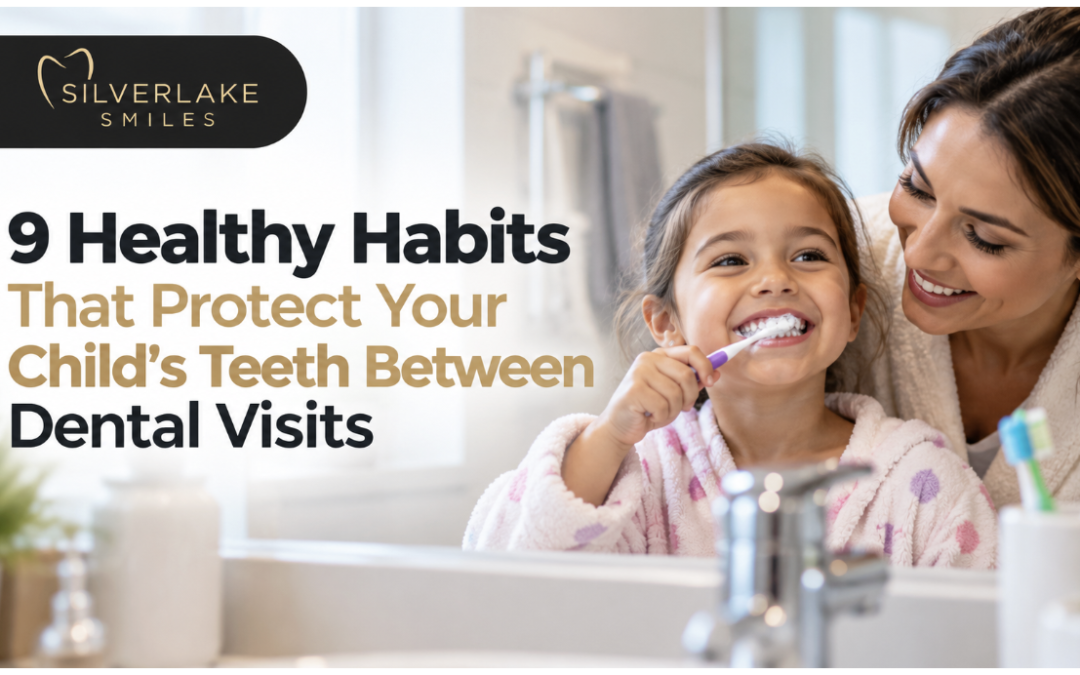
Healthy teeth help children eat, speak, smile, and develop with confidence. While regular dental appointments are important for monitoring oral health, the habits children practice at home have a lasting impact on their teeth and gums. Daily brushing, smart food choices, and consistent oral hygiene can help reduce the risk of cavities and other dental concerns between appointments.
Parents and caregivers play an important role in helping children establish these routines. Young children may need reminders, supervision, or hands-on assistance as they learn how to care for their teeth. Making dental care a regular part of family life can help children develop habits that support their oral health as they grow.
Why Daily Oral Hygiene Matters for Children
Children’s teeth are exposed to plaque, food particles, and acids throughout the day. When plaque remains on the teeth, bacteria can produce acids that damage tooth enamel and contribute to cavities. Poor oral hygiene can also affect the gums, causing redness, swelling, or bleeding.
Daily oral care helps remove plaque before it has the opportunity to cause damage. It also teaches children how to take responsibility for their oral health.
Routine dental appointments provide professional monitoring and care, but they do not replace home hygiene. Parents can support their child’s dental development by establishing consistent habits and arranging routine dental checkups for children as recommended by their dentist.
9 Healthy Habits That Protect Your Child’s Teeth
Small daily actions can make oral hygiene easier for children and more manageable for parents. The following healthy habits that protect your child’s teeth can be incorporated into a child’s morning, evening, and mealtime routines.
1. Encourage Brushing Twice a Day
Brushing twice a day is one of the most important habits children can develop. Children should generally brush once in the morning and once before bedtime using fluoride toothpaste appropriate for their age.
Brushing helps remove plaque and food particles from the surfaces of teeth. Nighttime brushing is particularly important because saliva production decreases during sleep, which can reduce the mouth’s natural ability to clear away food debris and acids.
Parents can help children establish an effective brushing routine by:
- Choosing a soft-bristled, child-sized toothbrush.
- Using the recommended amount of fluoride toothpaste.
- Encouraging children to brush for approximately two minutes.
- Supervising young children during brushing.
- Helping children clean areas they may miss.
- Replacing toothbrushes when the bristles become worn.
Young children often lack the coordination needed to brush thoroughly on their own. Parents should continue assisting or supervising them until they can brush effectively.
Try making brushing more engaging by using a timer, playing a short song, or allowing your child to choose a toothbrush with a favorite color or character. A positive routine can help reduce resistance and make oral hygiene feel less like a chore.
2. Teach Your Child to Floss Regularly
Brushing cleans the front, back, and chewing surfaces of teeth, but it cannot effectively clean every space between them. Dental care for children should include flossing as an important part of their oral hygiene routine.
Food particles and plaque can accumulate between teeth, creating areas where cavities and gum irritation may develop. Flossing helps clean these spaces and supports healthier gums.
Parents can introduce flossing by demonstrating the process slowly and gently. Younger children may need an adult to floss for them, while older children can gradually learn to manage the process independently.
Helpful tips include:
- Use child-friendly floss or floss picks when appropriate.
- Guide the floss gently between the teeth.
- Avoid snapping the floss against the gums.
- Clean both sides of each tooth.
- Make flossing part of the evening routine.
Children may initially find flossing uncomfortable or difficult. Patience and regular practice can help them become more comfortable. Parents can also ask their dentist to demonstrate appropriate flossing techniques during an appointment.
3. Choose Water Over Sugary Drinks
The drinks children consume throughout the day can affect their dental health. Sugary beverages expose teeth to sugars that oral bacteria can use to produce acids. Frequent exposure can increase the risk of tooth decay.
Water is generally a practical choice between meals because it does not contain added sugar. It can also help rinse away food particles and support normal saliva function.
Parents can encourage healthier drinking habits by:
- Offering water throughout the day.
- Serving water with meals and snacks.
- Limiting soda, sweetened juices, sports drinks, and other sugary beverages.
- Avoiding frequent sipping on sweetened drinks.
- Checking beverage labels for added sugars.
Fruit juice can contain naturally occurring sugars, but it can still contribute to tooth decay when consumed frequently. Parents should follow age-appropriate guidance from their child’s healthcare and dental professionals.
Developing healthy drink preferences early can make it easier for children to continue making tooth-friendly choices as they grow.
4. Offer Tooth-Friendly Snacks
Snacking habits can influence the amount of time teeth are exposed to sugars and acids. Children need regular nourishment, but frequent consumption of sticky or sugary foods may increase the risk of cavities.
Parents can offer balanced snacks that support general health while reducing frequent sugar exposure. Options may include:
- Cheese
- Plain yogurt
- Fresh vegetables
- Whole fruits
- Nuts when age-appropriate and safe
- Nut or seed butters when suitable for the child
- Whole-grain foods
Sticky sweets, fruit snacks, caramels, and other foods that cling to teeth may be more difficult to clear away. They do not need to be treated as completely forbidden, but parents can limit how often children consume them and encourage brushing as part of their normal routine.
The timing of snacks also matters. Constant grazing throughout the day can expose teeth to repeated periods of acid production. Structured snack times, along with water between meals, can help support better oral hygiene.
Parents should consider their child’s age, nutritional needs, allergies, and individual dental recommendations when choosing snacks.
5. Avoid Putting Your Child to Bed With a Bottle
Bedtime bottle habits can affect young children’s oral health, particularly when the bottle contains milk, formula, juice, or another drink with sugar. When these liquids remain around the teeth for extended periods, bacteria can use the available sugars to produce acids.
Prolonged exposure may contribute to early childhood tooth decay. This is one reason parents should discuss age-appropriate bottle transitions and bedtime routines with their child’s healthcare and dental professionals.
Helpful steps include:
- Cleaning your child’s teeth before bedtime.
- Following professional guidance about bottle use.
- Avoiding putting a child to sleep with a bottle containing sugary liquids.
- Offering water when recommended and appropriate.
- Establishing a consistent nighttime oral hygiene routine.
Parents should avoid using bottles as a substitute for dental guidance. Every child’s needs are different, and a dentist can provide recommendations based on age, tooth development, and existing oral health concerns.
A consistent bedtime routine can include brushing, reading a story, and preparing for sleep. Keeping toothbrushing earlier in the routine may help prevent children from becoming too tired to complete it.
6. Replace Toothbrushes When Needed
A toothbrush needs to remain in good condition to clean teeth effectively. Over time, bristles can become frayed, bent, or worn. A damaged toothbrush may not clean as efficiently and can be less comfortable for children.
Parents should check their child’s toothbrush regularly and replace it approximately every three months, or sooner if the bristles become worn. A toothbrush may also need to be replaced after certain illnesses, based on professional guidance.
Consider the following toothbrush care habits:
- Inspect bristles regularly.
- Replace toothbrushes when they become worn.
- Rinse the toothbrush thoroughly after use.
- Store it upright in an area where it can air-dry.
- Avoid allowing toothbrushes to touch one another.
- Choose a brush that is suitable for the child’s age and mouth size.
Children may chew on their toothbrushes, especially when they are younger. Parents should monitor this behavior and replace brushes that become damaged.
Allowing children to choose between suitable toothbrush options can help them feel involved in their oral hygiene routine without compromising proper dental care in Silver Lake.
7. Protect Teeth During Sports and Physical Activities
Children who participate in sports or physical activities may face a risk of dental injuries. Falls, collisions, and impacts from equipment can damage teeth, lips, cheeks, and gums.
A properly fitted mouthguard can help reduce the risk of certain sports-related oral injuries. Children who participate in contact sports or activities involving falls and collisions should discuss mouthguard options with their dentist.
Parents can support dental protection by:
- Asking the dentist about an appropriate mouthguard.
- Encouraging children to wear protective equipment as recommended.
- Replacing mouthguards when they become damaged or no longer fit properly.
- Teaching children not to chew on mouthguards.
- Seeking dental care after an impact that affects the mouth or teeth.
A mouthguard does not eliminate the possibility of injury, but it can provide an additional layer of protection. Custom-fitted options may offer a more personalized fit, particularly for children with braces or specific dental needs.
Along with sports protection, parents should teach children not to use their teeth to open packages, crack objects, or chew on hard items. These habits can increase the risk of chips and fractures.
8. Discourage Harmful Oral Habits
Some childhood habits can affect the teeth, gums, or development of the mouth when they continue for an extended period. Examples may include thumb-sucking, prolonged pacifier use, nail biting, and chewing on hard objects.
Thumb-sucking and pacifier use are common during infancy and early childhood. However, prolonged habits may influence the position of developing teeth or the shape of the mouth. The potential impact depends on factors such as frequency, intensity, and duration.
Parents can help children gradually move away from these habits through encouragement, positive reinforcement, and practicing preventive dental care for kids. Punishment, embarrassment, or criticism may make the process more stressful.
Helpful approaches include:
- Identifying situations that trigger the habit.
- Offering reassurance during periods of stress.
- Using positive reminders.
- Praising progress.
- Discussing persistent habits with a dental professional.
Nail biting and chewing on pencils, toys, or other hard objects can also place unnecessary pressure on teeth. Parents can gently redirect children toward safer alternatives.
A dentist can evaluate the child’s oral development and recommend appropriate guidance when a habit continues or raises concerns.
9. Make Dental Care a Consistent Family Routine
Children often learn by observing the adults around them. When parents demonstrate consistent oral hygiene habits, children may be more likely to view dental care as a normal part of daily life.
Families can make oral hygiene easier by brushing their teeth together, establishing regular times for brushing, and using positive encouragement. Parents can also explain why brushing and flossing matter in simple, age-appropriate language.
Consider these ways to create a family routine:
- Brush together in the morning or evening.
- Keep toothbrushes and toothpaste in an accessible location.
- Use a visual brushing chart for younger children.
- Offer praise for consistent effort.
- Avoid using dental visits as a threat or punishment.
- Encourage children to ask questions about their teeth.
Children develop independence gradually. Parents can allow children to brush first and then complete a second pass to ensure their teeth are properly cleaned.
How Often Should Children Visit the Dentist?
Daily oral hygiene and professional dental visits work together to support a child’s oral health. Children should follow an appointment schedule recommended by their dentist, based on their age, dental development, risk of cavities, and overall oral health.
Routine visits allow dental professionals to monitor tooth development, assess the gums, identify potential problems, and provide personalized preventive guidance. Children may also benefit from learning proper brushing and flossing techniques during appointments.
Some children may need more frequent visits because of specific dental concerns or a higher risk of tooth decay. Parents should discuss the appropriate schedule with their child’s dental provider instead of relying on a single schedule for every child.
Regular visits can also help children become more comfortable in the dental setting. Early, positive experiences may support a healthier attitude toward dental care over time.
When Should Parents Contact a Children’s Dentist?
A child may need an appointment before their next scheduled visit if they experience symptoms or changes in their oral health. Parents should contact a dental professional if their child has:
- Persistent tooth pain
- Sensitivity to hot or cold foods
- Swollen or bleeding gums
- Visible spots or holes in a tooth
- Difficulty chewing
- Persistent bad breath
- A chipped, cracked, or loose tooth caused by injury
- Swelling around the mouth or jaw
- Changes in tooth eruption or development
Dental injuries, significant swelling, and severe pain may require prompt professional attention. Parents should contact their dentist for guidance as soon as possible when these concerns occur.
Regular home care can help reduce risks, but it cannot identify every dental issue. Professional examinations remain important for detecting concerns that may not be visible or noticeable to a child.
Support Your Child’s Smile With Silverlake Smiles
Healthy dental habits begin at home, but professional guidance helps parents make informed decisions about their child’s oral health. Silverlake Smiles offers dental care for children and adults in Los Angeles and South Pasadena.
The practice supports families with preventive dental care and guidance tailored to individual needs. Parents can discuss brushing techniques, cavity prevention, dental development, and other oral health concerns during their child’s visit.
Families in Silver Lake and surrounding Los Angeles communities can contact Silverlake Smiles to learn more about preventive dental care for kids and available appointment options.
Schedule Your Child’s Next Dental Visit
Consistent brushing, flossing, balanced food choices, and protective habits can help children maintain healthier teeth between dental appointments. Parents can support these routines by offering guidance, setting positive examples, and seeking professional advice when concerns arise.
If your child is due for a dental appointment, contact Silverlake Smiles to schedule a visit in Los Angeles or South Pasadena. Early preventive care and consistent home habits can help support a healthy smile as your child grows.
Frequently Asked Questions
1. How can I help my child develop healthy oral hygiene habits?
Create a consistent brushing and flossing routine, supervise younger children, offer positive encouragement, and demonstrate good oral hygiene yourself. Keeping dental care predictable can help children build confidence and independence.
2. How often should children brush their teeth?
Children should generally brush twice a day, in the morning and before bedtime. Parents should supervise or assist young children to help ensure their teeth are cleaned thoroughly.
3. At what age should children begin flossing?
Flossing should generally begin once a child’s teeth touch each other. Parents may need to floss for younger children until they develop the coordination required to do it independently.
4. What foods are good for children’s dental health?
Balanced snacks such as cheese, plain yogurt, vegetables, and whole fruits can be suitable options. Parents should limit frequent exposure to sugary and sticky foods and consider their child’s nutritional needs.
5. How can I encourage my child to brush without resistance?
Use a timer, brushing song, visual chart, or family brushing routine. Offer choices between suitable toothbrushes and use positive reinforcement instead of criticism or punishment.
6. Should parents help children brush their teeth?
Yes. Younger children often need assistance because they have not yet developed the coordination required for thorough brushing. Parents should supervise and help until their child can brush effectively.
7. Can children use fluoride toothpaste?
Fluoride toothpaste is commonly recommended for children, but the amount should be appropriate for the child’s age. Parents should follow guidance from their child’s dentist regarding toothpaste use and brushing habits.
8. How often should children visit the dentist?
The recommended schedule depends on the child’s age, dental development, oral health, and risk factors. Parents should follow the personalized schedule provided by their dental professional.
9. What are the early signs of cavities in children?
Possible signs include tooth sensitivity, toothache, white or brown spots, visible holes, and discomfort when eating. Some cavities may not cause noticeable symptoms, which is why routine dental examinations are important.
10. When should my child see a children’s dentist?
Children should attend routine dental appointments and receive professional care when symptoms or concerns arise. Contact a dentist if your child experiences pain, swelling, dental injury, visible tooth changes, or difficulty chewing.